
Prototype of a Row House
2022
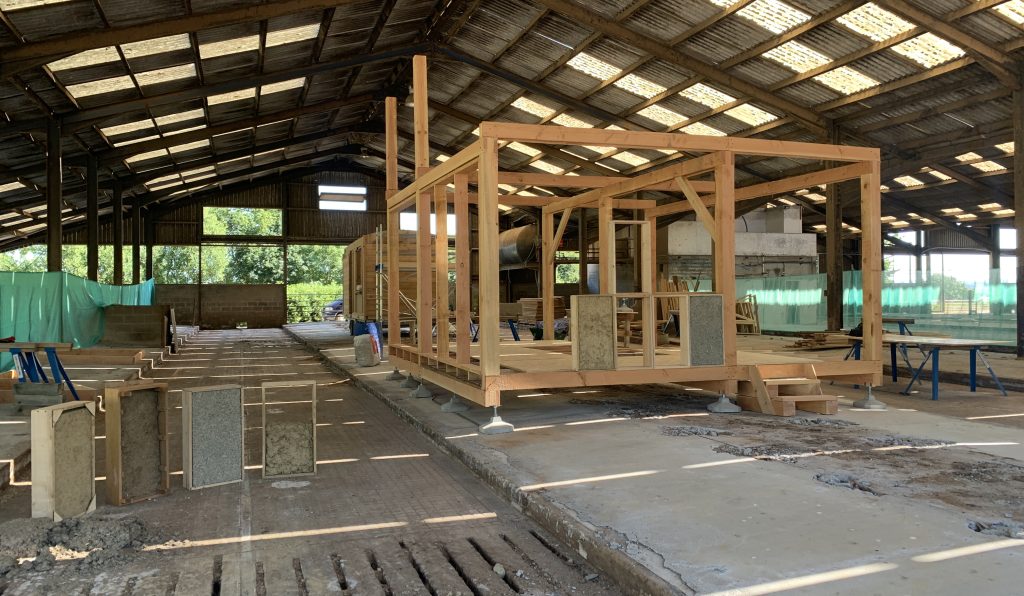
As part of R A I S E T H E R O O F, the Denhay Prototype is a physical demonstration and study of locally sourced materials and off-site construction techniques in collaboration with University of Plymouth and Bridport Area Community Housing (BACH.) The project builds on earlier work from Phase 1 of the Raise the Roof project in which design studio Assemble proposed a series of typology housing approaches and a report on affordable housing solutions in Bridport.
The project explored the potential to link the use of locally sourced natural materials with digital design and fabrication and off-site modern methods of construction. With the university the aim was also to explore issues of digital inclusion, place-making and participatory co-design.
The project supports Bridport’s transition towards a greener and more inclusive community housing delivery plan by stimulating place-based co-creation methodologies with designers, builders, local communities, and supply chain stakeholders involved in housing delivery
.
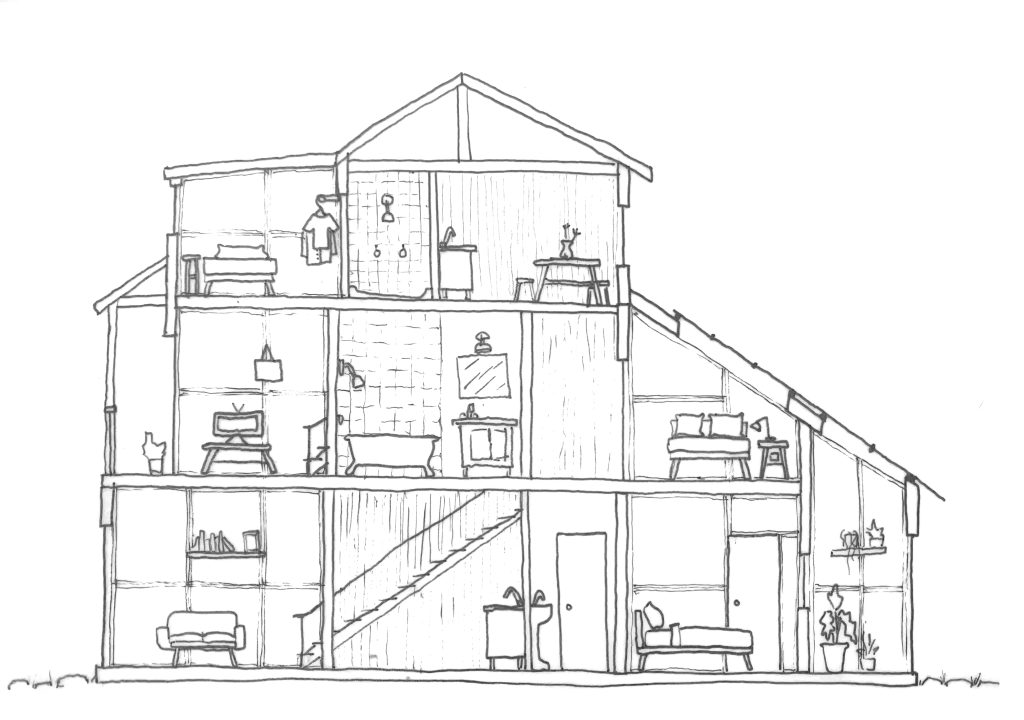
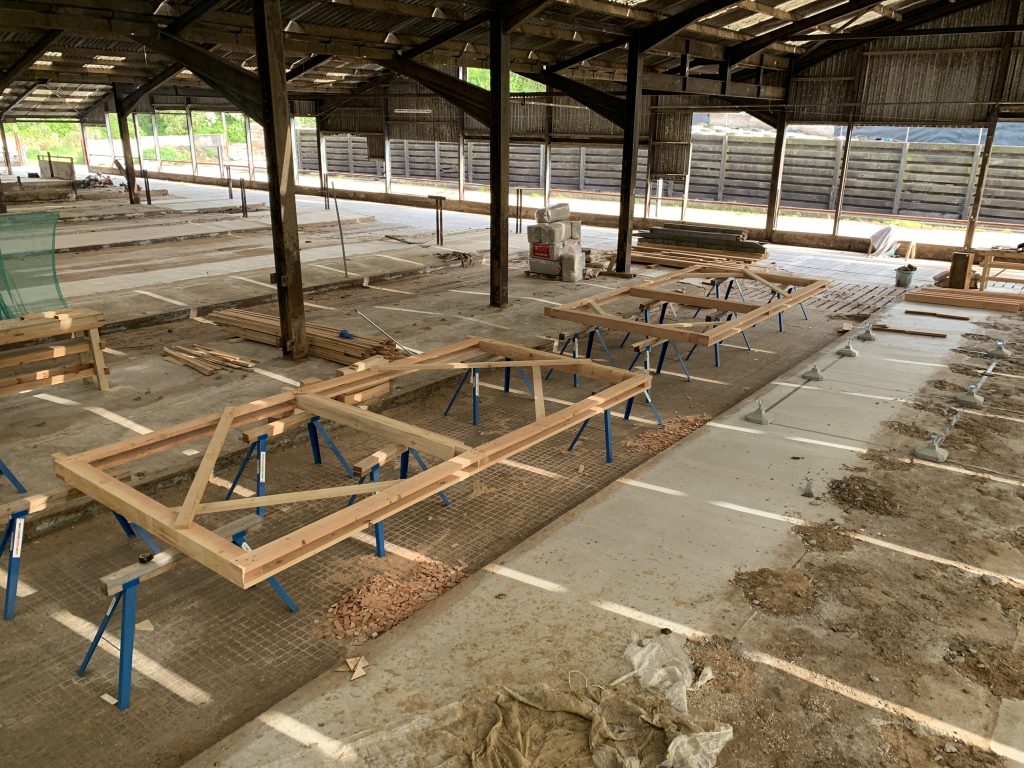
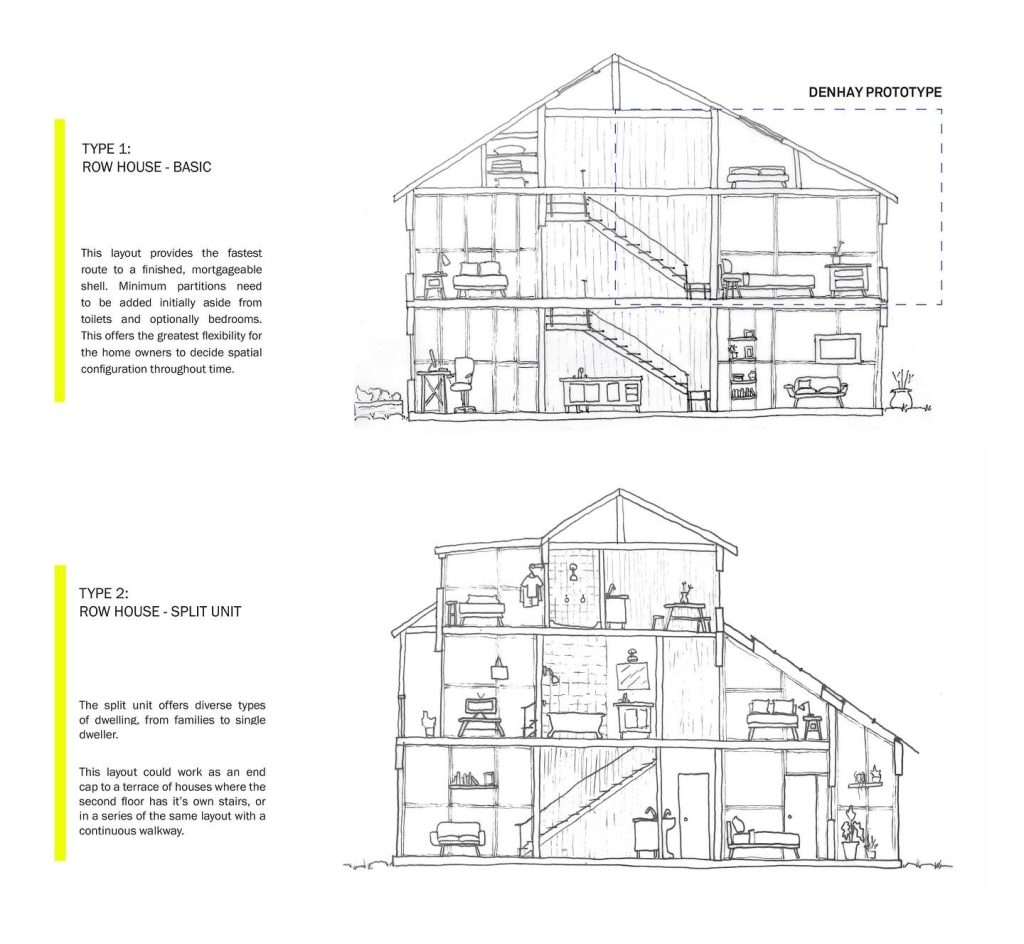
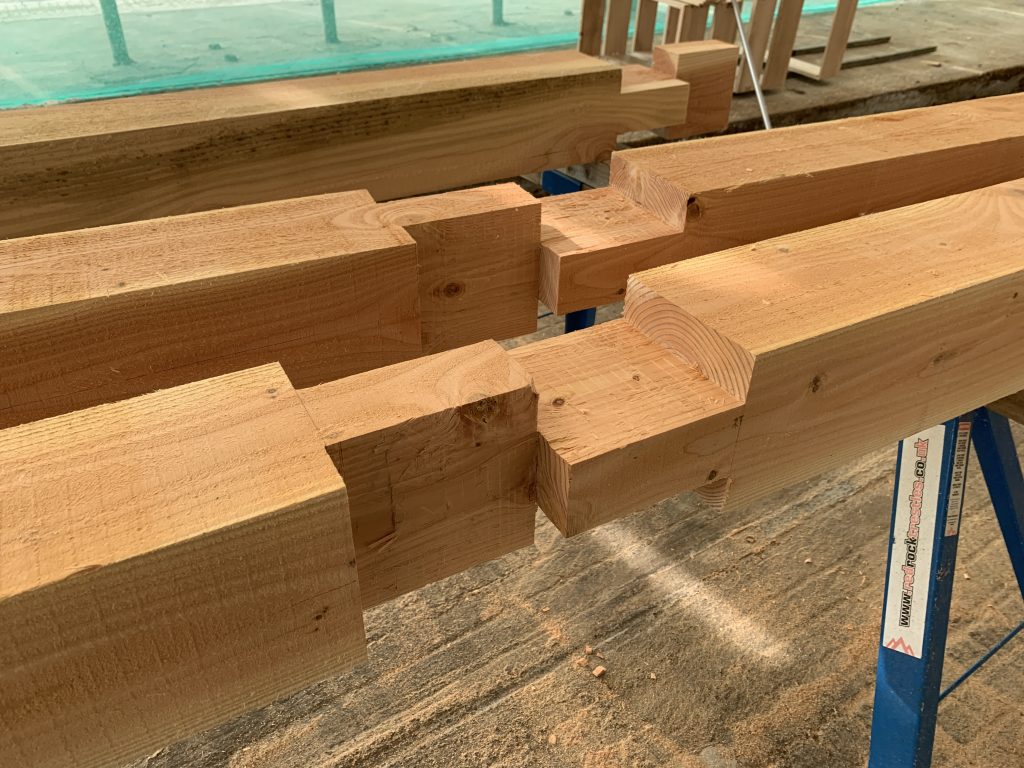
Initiating phase 2 of Raise the Roof, BACH then joined up with architectural designer and recent Hooke Park graduate Georgina Bowman to further develop designs for a pilot of terraced homes. This work evolved alongside discussions with the forthcoming Foundry Lea development and focused on providing affordable housing solutions that would offer mixed occupancy dwellings and would be adaptable for Bridport’s shifting demographic’s needs. The designs considered structural methods that would enable locally-sourced timber to be employed in off-site fabrication and in conjunction with Modern Methods of Construction (MMC,) allowing for fibre-based insulation cassettes to be promptly placed on site, achieving a mortgageable shell sooner with resident-led self-finishing of the interiors.
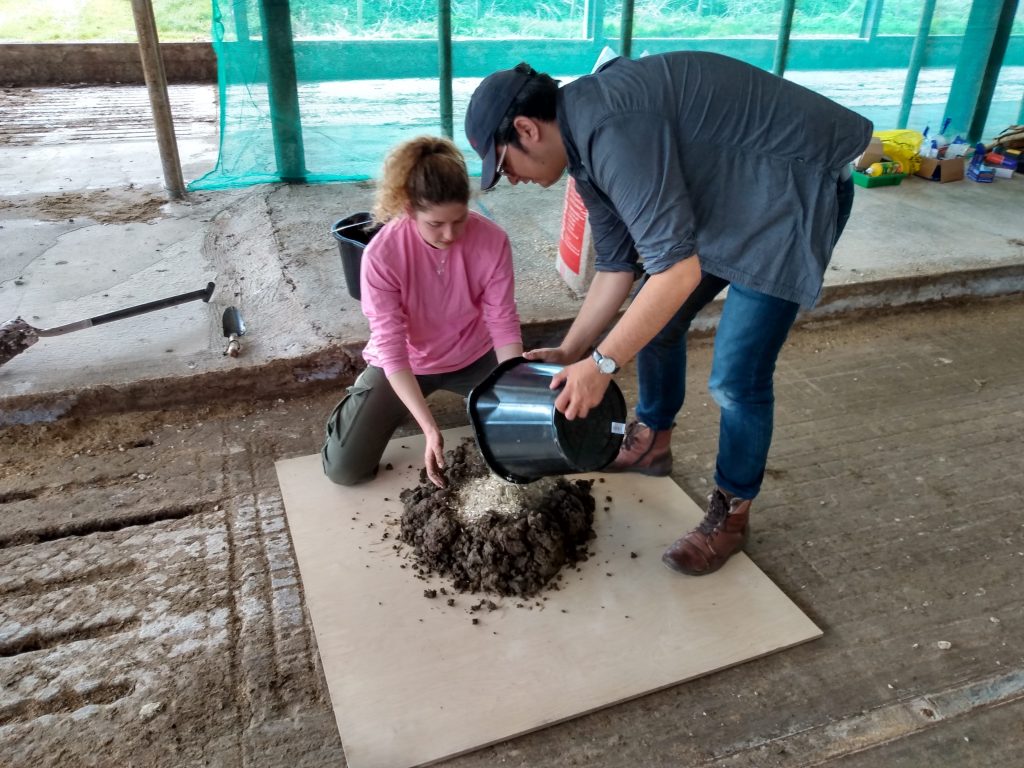
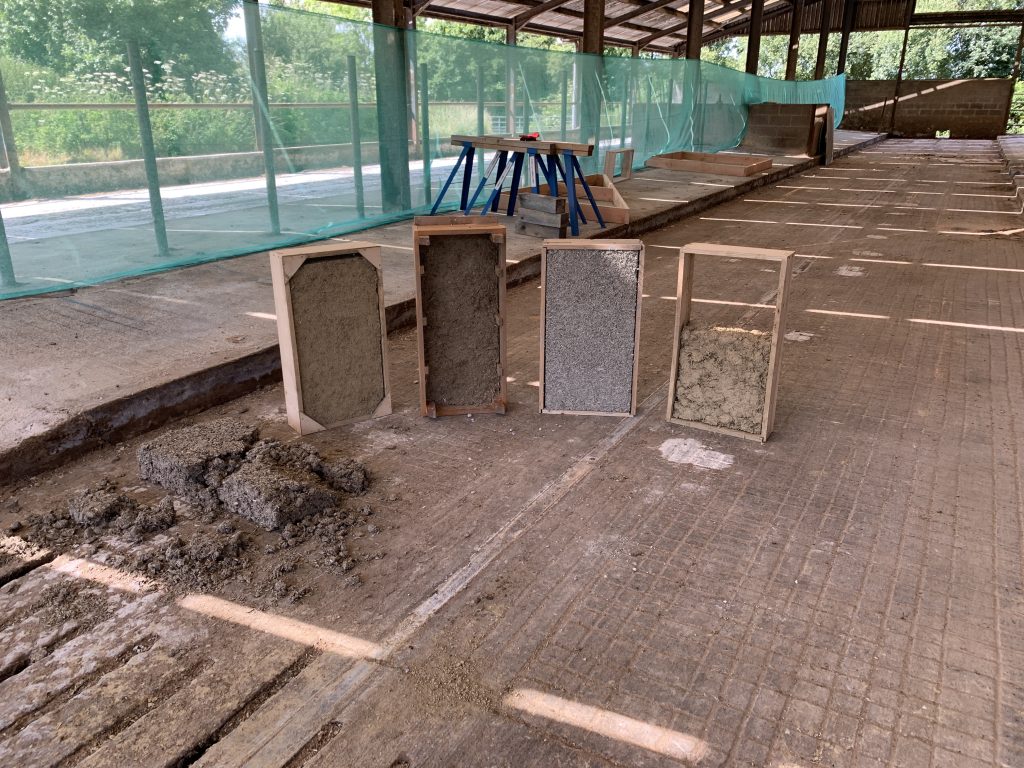
Researcher Alexandra Carr of University of Plymouth worked to develop technical approaches to different insulation cassettes, testing methods of working with clay, lime and hemp within the project’s larger remit to develop a bioregional supply chain alongside the Hemp Field Trials. To aid in achieving Modern Methods of Construction approaches, the insulation mixtures were cast within CNC cut cassette frames made out of Ash planks that could be readily assembled on site. Ash Dieback is a disease that has affected much of the UK’s Ash trees requiring large amounts of felling. The fabrication of the cassettes tested various ways of working with natural wood in a digital workflow, intentionally substituting for plywood which is standard in these types of constructions but which is not produced in the UK.
Explore other Raise the Roof construction projects:
Tiny House Build 1.0
2020
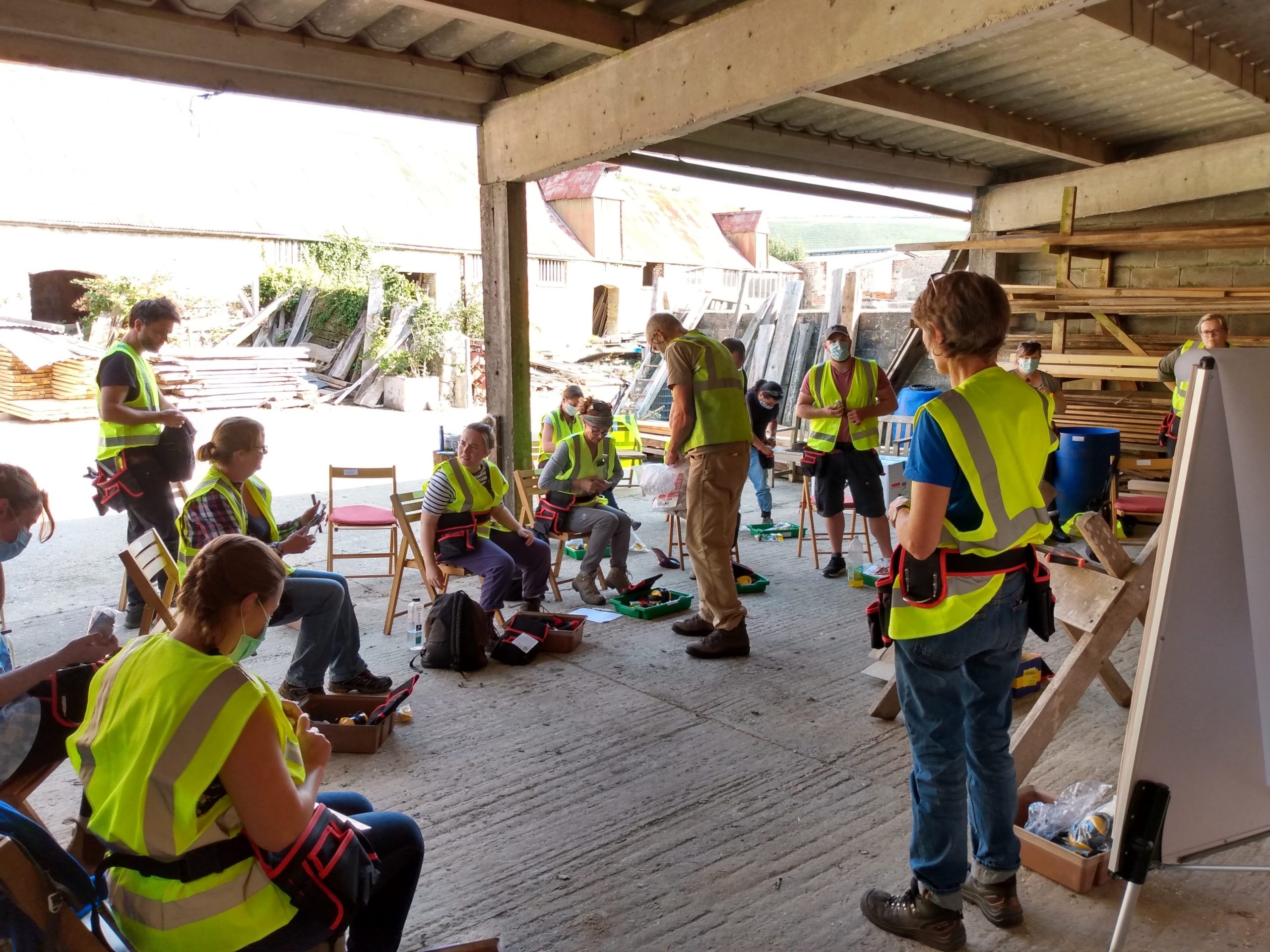
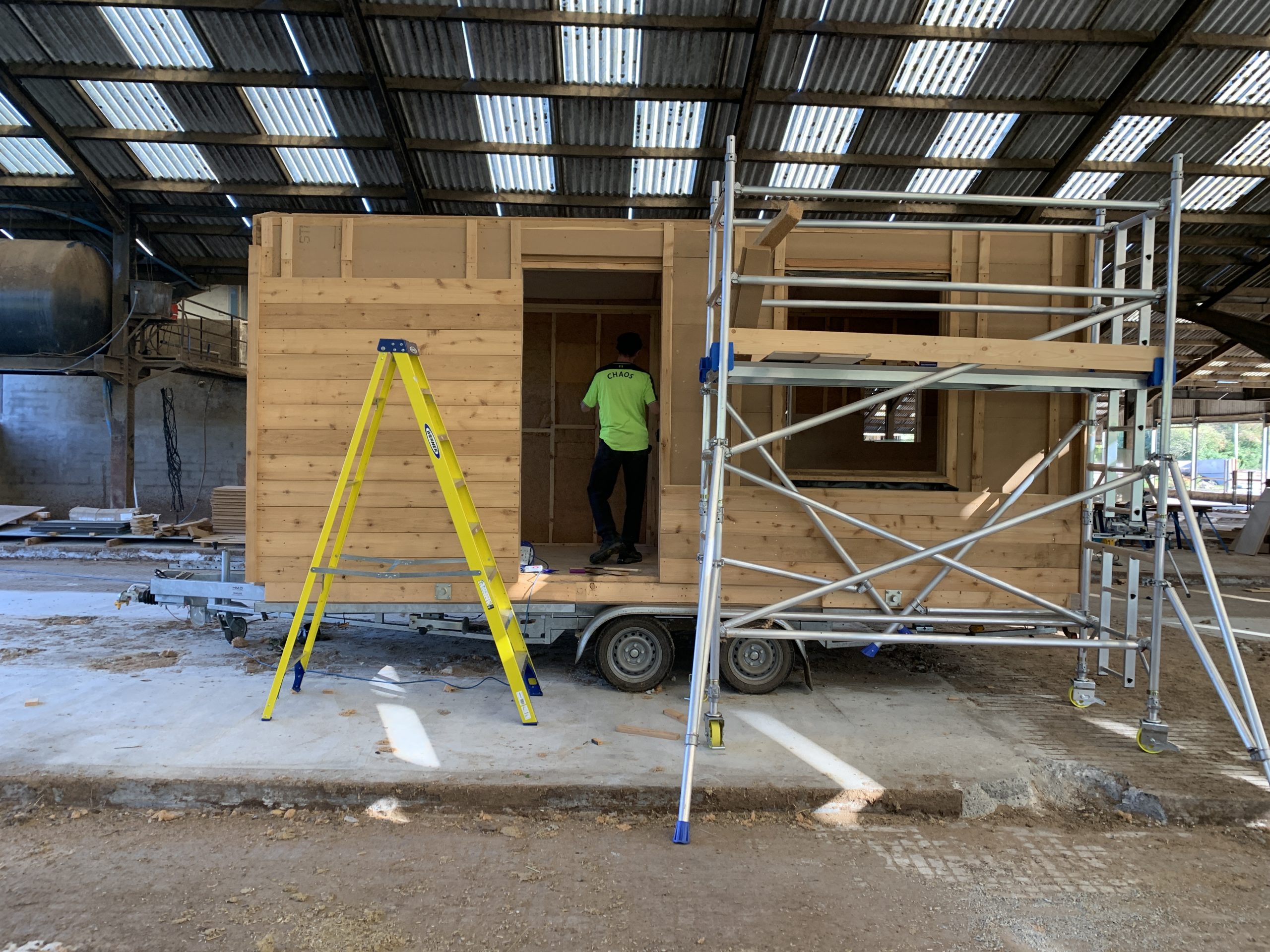
WCA launched a series of free construction training programmes for economically inactive and underemployed people in West Dorset to develop carpentry and construction skills. Over two week-long courses we hosted 14 participants to learn building skills in the construction of a tiny home.
Tiny House Build 2.0
2021
Tiny House Build 2.0 is a part-training part-research project that introduces digitally fabricated elements through a necessary rebuild of an earlier tiny home to fit road-safety laws and end-use requirements.
Raise the Roof Research & Reports:
Final Report: Raise the Roof
Hemp & Flax Field Trials FiPL Project Report
A Bioregional Approach to Building in the South West
Propositions for Bridport
Background Research on Housing in Bridport
The Terrestrial Town
Related Projects:

RAISE THE ROOF was a partnership between Common Ground, Turner-prize winning design collective Assemble, community-development organisation Wessex Community Assets, the Dorset Arts Development Company, Bridport Area Community Housing, Plymouth University and Bridport Town Council. Funding has been secured from the Nationwide Foundation, Friends Provident Foundation, the Arts Council and the Connected Everything programme.